
Sony’s PlayStation platform is not just a gaming console — it’s a multi-billion-dollar business ecosystem that spans hardware, software, digital services, cloud gaming, and live entertainment. Since its humble launch in 1994, PlayStation has evolved into one of the most powerful and profitable platform businesses in the world. But what exactly makes PlayStation such a formidable business, and how does Sony continue to grow it? This article dives deep into the structure, strategy, and secrets behind the Sony PlayStation platform business.
What Is the Sony PlayStation Platform Business?
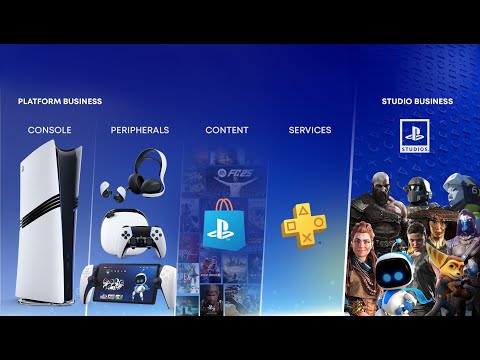
The sony playstation platform business is the commercial engine that powers Sony’s gaming division, officially known as Sony Interactive Entertainment (SIE). It encompasses everything from the design and sale of PlayStation consoles (like PS5) to digital storefronts, subscription services, first-party game studios, and third-party licensing deals.
At its core, the PlayStation platform operates as a two-sided marketplace:
- One side serves gamers — offering them hardware, games, online multiplayer, and digital content.
- The other side serves publishers and developers — giving them access to hundreds of millions of players in exchange for revenue-sharing agreements.
This model allows Sony to generate recurring income streams well beyond the one-time sale of a console. Today, PlayStation Network (PSN) connects over 116 million monthly active users, while PlayStation Plus subscriptions generate billions in annual recurring revenue.
How the PlayStation Platform Business Model Works
Understanding the PlayStation business model requires looking at each of its core revenue pillars:
1. Hardware Sales
The PlayStation 5, launched in November 2020, remains a key driver of the business. Sony sells consoles at or near cost — sometimes even at a slight loss — with the goal of building a large user base. Once gamers are in the ecosystem, they spend on games, subscriptions, and accessories, which is where the real margins lie.
2. First-Party Game Studios
Sony has invested heavily in owning world-class game development studios. Naughty Dog (The Last of Us), Santa Monica Studio (God of War), Insomniac Games (Spider-Man), and Guerrilla Games (Horizon) are all Sony-owned. These studios create exclusive titles that serve as the primary reason many gamers choose PlayStation over competitors. Exclusives are not just marketing tools — they are strategic business assets that drive hardware adoption.
3. PlayStation Store & Digital Distribution
The PlayStation Store is Sony’s proprietary digital storefront where users purchase games, downloadable content (DLC), in-game currency, and add-ons. Sony takes approximately a 30% cut from every digital sale made on its platform — a revenue model similar to Apple’s App Store. As the gaming industry shifts from physical to digital, this revenue stream continues to grow. Digital sales now account for over 60% of PlayStation game sales, up from just 20% a decade ago.
4. PlayStation Plus Subscription Service
PlayStation Plus is Sony’s subscription service, revamped in 2022 into three tiers:
- Essential – Online multiplayer access and monthly free games.
- Extra – A catalog of hundreds of downloadable PS4/PS5 games.
- Premium – Cloud streaming, classic game catalogs, and exclusive trials.
With over 47 million subscribers, PlayStation Plus generates a substantial and predictable revenue stream — and its tiered model allows Sony to capture different segments of the market.
5. Third-Party Licensing and Publishing Fees
Independent and major publishers pay Sony fees to develop, certify, and distribute games on the PlayStation platform. These fees, combined with digital revenue sharing, make PlayStation an extremely lucrative publishing partner.
Why the PlayStation Platform Business Is So Powerful
The PlayStation platform benefits from powerful network effects — the more users on the platform, the more valuable it becomes for developers; the more quality games available, the more users join. This self-reinforcing cycle creates a competitive moat that is extremely difficult for rivals to break.
Several other factors contribute to its dominance:
- Brand loyalty: PlayStation has been a household name for 30 years. Generations of gamers have grown up with the brand, creating deep emotional connections and switching costs.
- Exclusive content strategy: Sony’s studios produce critically acclaimed, system-selling games that cannot be played anywhere else. This drives hardware adoption and locks users into the ecosystem.
- Global reach: PlayStation operates in virtually every major market worldwide, with localized stores, content, and support in dozens of languages.
- Developer relationships: Sony cultivates long-term partnerships with third-party studios and publishers, ensuring PlayStation gets timed exclusives, early access deals, and optimized game performance.
Step-by-Step: How Sony Grows the PlayStation Business
Sony follows a disciplined, multi-phase strategy to grow and sustain the PlayStation platform:
Step 1 – Launch compelling hardware. Each new console generation begins with a technologically impressive device. The PS5’s SSD architecture, DualSense haptic controller, and 3D audio were specifically designed to create experiences impossible on competing hardware.
Step 2 – Secure exclusive games at launch. System-sellers like Demon’s Souls, Ratchet & Clank: Rift Apart, and Spider-Man: Miles Morales were launch or near-launch titles that gave gamers compelling reasons to buy a PS5 early.
Step 3 – Grow the digital ecosystem. Sony aggressively promotes digital purchases through sales, bundles, and PlayStation Plus benefits. Every digital purchase deepens a gamer’s commitment to the ecosystem.
Step 4 – Expand subscription tiers. The 2022 restructuring of PlayStation Plus into three tiers was a deliberate move to increase average revenue per user (ARPU) while offering flexible entry points for new subscribers.
Step 5 – Acquire studios and IP. Sony has been on an acquisition spree. Acquiring Bungie in 2022 for $3.6 billion brought live service expertise and the Destiny franchise under the PlayStation umbrella. These acquisitions are investments in long-term content pipelines.
Step 6 – Expand into PC and mobile Sony has begun porting exclusive titles to PC (like God of War and Horizon Zero Dawn) and is developing mobile games. This expands the addressable market without cannibalizing console sales.
Step 7 – Invest in cloud and streaming. PlayStation Premium’s game streaming feature positions Sony for the cloud gaming future, ensuring the business remains relevant even as hardware becomes less central to gaming.
Tips for Understanding the PlayStation Business as an Investor or Analyst
If you’re analyzing the PlayStation platform from a business perspective, keep these tips in mind:
- Focus on software and services, not hardware margins. Console hardware is often sold near breakeven. True profitability lies in the software attach rate — how many games and subscriptions each console owner buys.
- Track PlayStation Plus subscriber growth. Subscriber numbers are one of the most important indicators of platform health and long-term revenue visibility.
- Watch the first-party release calendar. Major first-party title launches have an outsized impact on both hardware sales and PlayStation Store revenue.
- Monitor the digital vs. physical sales ratio. A rising digital share is bullish for margins, as there are no manufacturing or retail distribution costs.
- Pay attention to live service game investments. Sony is pivoting toward games-as-a-service (GaaS) titles that generate ongoing revenue through microtransactions and season passes.
- Consider the competitive landscape. Microsoft’s Xbox Game Pass and its acquisition of Activision Blizzard represent the most significant competitive threat PlayStation faces today.
PlayStation’s Evolving Business in the AI and Cloud Era
The next chapter of the PlayStation platform business is being written around two transformative technologies: artificial intelligence and cloud gaming.
Sony is integrating AI into game development tools, NPC behavior, and personalized recommendations on the PlayStation Store. AI-driven personalization could meaningfully increase game discovery and content spending per user.
On the cloud side, PlayStation Premium’s streaming service competes with Xbox Cloud Gaming and NVIDIA GeForce NOW. While Sony has been more conservative than Microsoft in its cloud pivot, there are strong signals that cloud and streaming will play a larger role in future PlayStation strategies — especially for markets where high-end hardware adoption is limited.
Sony is also exploring how PlayStation can serve as a content IP engine beyond gaming. The Last of Us TV series on HBO was a massive crossover success, demonstrating that PlayStation exclusive IP can generate value across film, television, and merchandise. This transmedia strategy could unlock entirely new revenue streams tied to PlayStation franchises.
Challenges Facing the PlayStation Platform Business
No business is without challenges, and PlayStation faces several significant ones:
The semiconductor supply chain crisis that hampered PS5 production from 2020–2022 highlighted the vulnerability of hardware-dependent business models. While supply has normalized, it was a stark reminder of PlayStation’s dependence on physical manufacturing.
Rising game development costs are another pressure point. AAA game budgets have ballooned to $200–$300 million or more, increasing the risk of any single title underperforming. Sony’s Concord game, which launched and was shut down within two weeks in 2024, was a costly reminder of live service game risks.
Microsoft’s aggressive gaming strategy, including its $68.7 billion acquisition of Activision Blizzard, presents a formidable long-term competitive threat. If Microsoft continues to add major franchises to Game Pass, PlayStation could face growing pressure to offer a more competitive value proposition in its own subscription tiers.
Conclusion
The Sony PlayStation platform business is a masterclass in platform economics. By combining compelling hardware, world-class exclusive content, a thriving digital marketplace, and a growing subscription ecosystem, Sony has built one of the stickiest and most profitable gaming businesses on earth. As the industry evolves toward cloud gaming, AI-enhanced experiences, and transmedia IP, PlayStation is well-positioned to adapt and grow — provided it continues investing in the games, services, and technologies that have made it the preferred destination for hundreds of millions of gamers worldwide.
Whether you’re a gamer, a developer, an investor, or a business strategist, the PlayStation platform offers a fascinating case study in how to build and sustain a platform ecosystem at global scale.
Frequently Asked Questions (FAQs)
- What is Sony Interactive Entertainment (SIE)? Sony Interactive Entertainment is the wholly owned subsidiary of Sony Group Corporation responsible for all PlayStation products and services.
- How does PlayStation make money beyond selling consoles? PlayStation generates revenue through multiple channels: digital game sales on the PlayStation Store (where Sony takes ~30%), PlayStation Plus subscription fees across its three tiers, licensing fees from third-party developers, sales of first-party games and DLC, accessories like controllers and headsets, and increasingly through PC ports and mobile games.
- How many PlayStation Plus subscribers does Sony have? As of the most recent publicly available data, PlayStation Plus has approximately 47 million subscribers across its Essential, Extra, and Premium tiers.
- Why does Sony invest in exclusive games? Exclusive games — titles only available on PlayStation — are the cornerstone of Sony’s platform strategy. They create a compelling reason for gamers to choose PlayStation over Xbox or PC, drive hardware sales, and deepen ecosystem lock-in.
- What is the PlayStation Stars loyalty program? PlayStation Stars is Sony’s customer loyalty program that rewards players with points for purchasing games, completing in-game challenges, and participating in campaigns on the PlayStation Store. Points can be redeemed for PlayStation Store wallet funds and collectible digital items.
- How is PlayStation competing with Xbox Game Pass? Sony has responded to Xbox Game Pass by restructuring PlayStation Plus into three tiers in 2022, with the Extra and Premium tiers offering access to large catalogs of downloadable and streamable games. However, Sony has maintained that day-one first-party releases on PlayStation Plus would devalue its exclusive IP — a different philosophy from Microsoft’s approach of putting all titles on Game Pass at launch.