

Most people assume that if you’re buying a house you don’t plan to live in, lenders will treat it like an investment property — and charge you accordingly. Higher rates, stricter terms, larger down payments. But there’s a lesser-known financing path that breaks from that pattern entirely, one designed specifically for a situation millions of families face every year: wanting to help a loved one into homeownership when they can’t quite get there alone.
It’s called the family opportunity mortgage, and if you’ve never heard of it, you’re not alone. The name itself has mostly faded from official mortgage documents, but the underlying guidelines are alive and well — quietly helping families across the country secure stable housing for aging parents and disabled adult children.
The Problem It Solves
Picture this: your 72-year-old mother has been renting an apartment for years. She’s on a fixed income — Social Security, maybe a small pension — and she’d love the stability of owning her own place. But when she walks into a bank, her income doesn’t clear the bar. No lender will approve her.
Or consider a different scenario: your adult son has a disability that prevents him from holding steady employment. He wants independence, his own space, a home he can call his own. But without a qualifying income, a conventional mortgage is out of reach.
In both cases, you’re willing and financially able to step in. You have a stable job, a decent credit score, and the income to carry a second mortgage payment. You just don’t want to live there yourself.
Without the family opportunity mortgage framework, your options get expensive fast. Lenders typically classify a home you’re buying but not occupying as either a second home or an investment property — categories that come with meaningfully higher interest rates and down payment requirements.
The family opportunity mortgage changes that calculus.
What It Actually Is
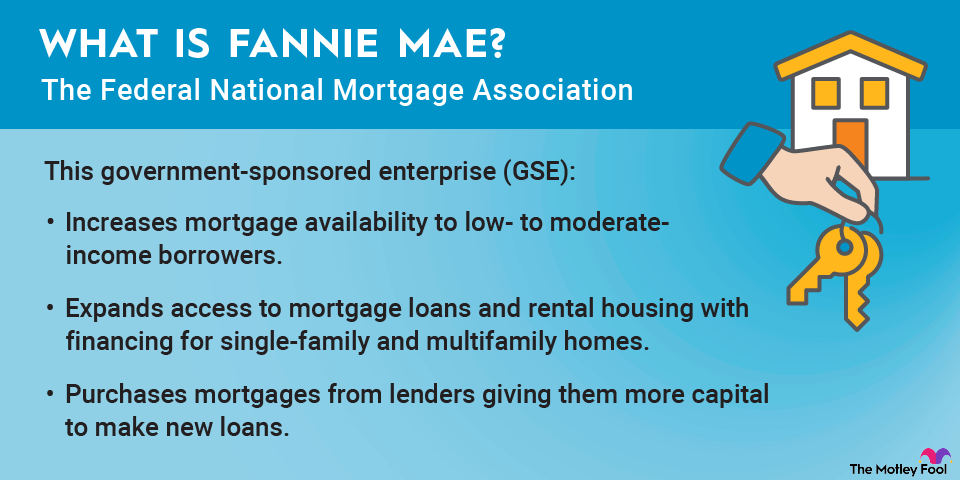
At its core, this is a conventional mortgage loan — the kind backed by Fannie Mae or Freddie Mac — that carries specific guidelines permitting owner-occupied interest rates and terms for a home you’re buying for an eligible family member.
The borrower (you) takes out the loan and holds financial responsibility. The occupant (your parent or adult child) lives in the home as their primary residence. Neither of you violates any mortgage rules, and neither of you ends up with the kind of punishing rate structure designed for landlords and real estate investors.
One important clarification: “family opportunity mortgage” isn’t a formal product name you’ll find on a lender’s rate sheet. Fannie Mae and Freddie Mac phased out that specific label years ago. What remains are the underlying guidelines that govern when a non-occupying borrower can still receive owner-occupied loan terms. Savvy mortgage brokers know these rules well — you just have to describe your situation and ask the right questions.
Who Qualifies — and Under What Conditions
This isn’t a free-for-all. The guidelines exist to prevent investors from exploiting owner-occupied pricing, so there are real qualifying conditions on both sides of the transaction.
For the Borrower
You need to demonstrate that you’re purchasing the home for a genuine family need, not as a rental or income property. That means:
- You’re buying for a parent (or parents) who lack sufficient income or employment to qualify for a mortgage independently — whether due to retirement, disability, or limited earnings
- OR you’re a parent or legal guardian purchasing for an adult child with a disability that prevents them from holding income sufficient to qualify on their own
Beyond the relationship and purpose requirements, standard mortgage qualifications apply. You’ll typically need:
- A minimum credit score around 620, though stronger scores improve your rate and terms
- Verifiable income that covers both your existing obligations and the new mortgage payment
- A debt-to-income ratio ideally at or below 36%, though some exceptions exist depending on other qualifying factors
For the Property
The home itself has to meet standards consistent with a primary residence loan:
- Must be a residential property, accessible by a public or private road
- Must be structurally sound and connected to functional utilities
- Must be appropriate for year-round occupancy and properly insured
- Must meet local zoning and safety requirements
Commercial properties, working farms, bed-and-breakfasts, and boarding houses are off the table. Condominiums may qualify but face additional review requirements.
For the Occupant
Whoever you’re buying the home for must actually live in it as their primary residence. If you’re purchasing for an adult child, they must be a legal adult. Documentation requirements will likely include proof of disability status — medical records, disability benefit award letters, or similar records — depending on your situation.
The Financial Case for Using This Loan
Let’s get specific about why this matters beyond eligibility alone.
Interest rates are the headline benefit. On a conventional investment property loan, rates typically run 0.5% to 1% or more above owner-occupied rates. On a second home, you’re looking at a smaller but still meaningful premium. The family opportunity mortgage structure allows you to access rates essentially equivalent to what you’d get buying your own primary residence — a significant difference across a 30-year loan term.
Down payment requirements also shift in your favor. Conventional investment property loans often require 20–25% down. Under the family opportunity guidelines, you may qualify with as little as 5% down, freeing up capital for other needs.
Tax considerations may add another layer of benefit. If you itemize deductions on your federal return, property taxes on this home are generally deductible — a perk that extends to homes purchased under this framework just as it would for any primary residence. Consult a tax professional to confirm how this applies to your specific situation.
The Steps to Get There
Once you’ve confirmed the situation qualifies, the practical process follows familiar mortgage territory:
- Identify the right property together. Work closely with your parent or adult child to find a home they want to live in that also fits conventional loan standards. Their comfort and needs matter here — this is their home.
- Shop for lenders who understand the guidelines. Not every loan officer will immediately recognize what you’re describing. Be prepared to explain your situation clearly: you’re purchasing a home for a family member with limited income, you’re the borrower, they’ll be the occupant. Ask specifically whether they can offer owner-occupied terms under Fannie Mae or Freddie Mac guidelines for this type of arrangement.
- Get pre-approved before making offers. A pre-approval letter not only tells you what you can borrow — it signals to sellers that you’re a serious, qualified buyer.
- Submit your full application. This includes documentation for your income, assets, debts, and credit history. You’ll also need to provide any documentation of your family member’s qualifying circumstances — disability records, benefit statements, or documentation of insufficient income.
- Move through underwriting. This phase is mostly in the lender’s hands, but respond quickly to any requests for additional documentation. Delays here can push back your closing timeline.
- Close and hand over the keys. Once approved, you’ll sign the loan documents, cover the down payment and closing costs, and — most importantly — your family member gets to move into a stable home of their own.
A Few Things Worth Knowing Before You Apply
This loan doesn’t make you a landlord. You own the property, yes — but you’re not collecting rent, and you shouldn’t structure it that way. The family member lives there; you pay the mortgage. The financial arrangement between the two of you is a family matter, not a landlord-tenant relationship.
Your financial obligations are real. Taking on a second mortgage payment affects your own debt-to-income ratio and borrowing capacity going forward. Make sure this commitment works within your larger financial picture before signing.
Alternatives deserve a look too. Depending on where your parent or adult child lives, state and local housing assistance programs may offer additional options — including low-income homebuyer grants, subsidized rental housing, or shared equity programs. A financial advisor familiar with your state’s programs can help map out the full landscape before you commit.
Gifting the home outright is another path. If you have the capital, some families simply purchase a property for cash and gift it to the family member. This sidesteps mortgage qualification altogether, though it introduces its own estate and gift tax considerations worth discussing with an advisor.
The Bigger Picture
Behind the jargon and the qualifying criteria, the family opportunity mortgage addresses something deeply human: the desire to help the people we love have a stable, dignified place to live — even when conventional systems make that harder than it should be.
For families willing to do the financial heavy lifting, it offers a path that doesn’t punish generosity with investor-grade interest rates. That’s not a small thing. Over the life of a loan, the difference between owner-occupied and investment property rates can easily amount to tens of thousands of dollars.
If your family is in a situation where this might apply, it’s worth at minimum a conversation with a mortgage professional who knows the Fannie Mae and Freddie Mac guidelines inside and out. The loan product may have shed its official name, but the opportunity it represents is very much still real.



Bạn nào thích cá cược bóng đá thì nên thử F8BET nhé. Kèo đa dạng, cập nhật nhanh và nhiều trận đấu lớn đều có livestream theo dõi trực tiếp.
Mình biết đến F8BET qua bạn bè giới thiệu và thấy hệ thống game khá phong phú. Điểm cộng lớn là đăng ký nhanh, không mất quá nhiều thời gian xác minh.
C168 là nhà cái trực tuyến đang thu hút sự chú ý của đông đảo người chơi nhờ giao diện hiện đại và hệ sinh thái giải trí đa dạng. Nền tảng này mang đến nhiều sản phẩm hấp dẫn như cá cược thể thao, casino trực tuyến, slot game
Không chỉ nổi bật với kho game phong phú, C168 còn ghi điểm nhờ tốc độ nạp rút nhanh chóng, bảo mật an toàn và dịch vụ chăm sóc khách hàng hoạt động 24/7. Đây là một trong những sân chơi trực tuyến được nhiều người lựa chọn khi muốn trải nghiệm cá cược trong môi trường minh bạch và tiện nghi.
C168 là nhà cái trực tuyến đang thu hút đông đảo người chơi nhờ nền tảng giải trí hiện đại, giao diện thân thiện và hệ thống vận hành ổn định. Với đa dạng sản phẩm như cá cược thể thao, casino trực tuyến, slot game và nhiều trò chơi hấp dẫn, C168 mang đến trải nghiệm giải trí chuyên nghiệp và tiện lợi cho mọi thành viên.
Nếu anh em tìm nhà cái minh bạch thì nên thử C168, hiện tại họ đang tặng 68K trải nghiệm miễn phí cho tân thủ. Nền tảng này có hướng dẫn luật chơi rất kỹ, nhưng mọi người nhớ chỉ nên chơi giải trí và kiểm soát vốn thật tốt nhé.
Nạp rút qua USDT tại c168 com là phương thức mình ưng nhất vì tính bảo mật cao và còn được tặng thêm 0.6% không giới hạn mỗi lần giao dịch. Hệ thống vận hành minh bạch, ổn định nhưng mọi người cũng cần lưu ý rủi ro tài chính và biết điểm dừng đúng lúc khi cá cược.
Mình đánh giá cao tốc độ tải trang của F8BET, dùng trên điện thoại vẫn chạy ổn định. Đăng nhập và đặt cược không bị lag nhiều như vài bên khác.