
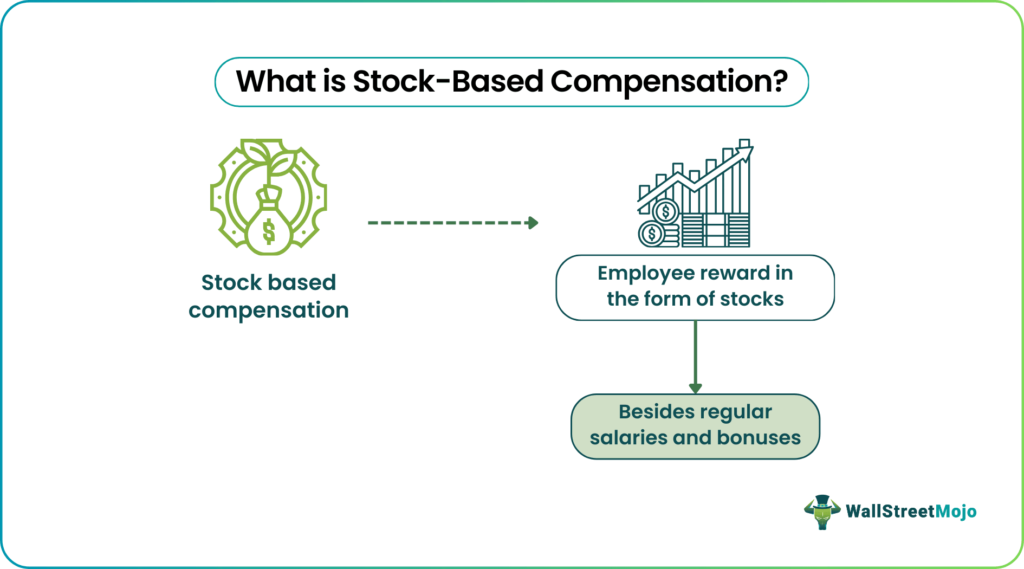

When a company hands an employee stock options instead of cash, it might seem like a clever workaround — rewarding talent without touching the bank account. But beneath that surface-level simplicity lies one of the more consequential, and frequently misunderstood, forces shaping what investors see on an income statement. Equity-based compensation doesn’t just move money around; it fundamentally alters how a company’s financial performance gets reported, interpreted, and ultimately judged by the market. Let’s know what impact does equity-based compensation have on reported earnings.
The Accounting Reality Most People Overlook
Here’s the core tension: equity compensation feels “free” to the company issuing it, yet accounting standards demand it be treated as a real expense. Under ASC 718 (in the U.S.) and IFRS 2 (internationally), companies are required to recognize the fair value of stock-based compensation as an operating expense on the income statement — spread over the relevant vesting period.
What does that mean in practice? A technology firm that grants a software engineer $200,000 in restricted stock units vesting over four years will record roughly $50,000 in compensation expense annually. Even though no cash ever leaves the building. That expense flows directly through operating income, reduces pre-tax earnings, and ultimately shrinks the net income figure that shareholders.
The result is a quieter, less visible drag on reported profitability — one that many investors either underestimate or deliberately set aside when evaluating growth companies.
Three Ways Equity Compensation Distorts the Earnings Picture
1. The GAAP vs. Non-GAAP Divide
Perhaps the most visible impact of stock-based compensation on reported earnings is the now-ubiquitous split between GAAP and non-GAAP results. Companies — particularly in the technology sector — routinely strip out stock-based compensation when presenting “adjusted” earnings, arguing it is a non-cash charge that doesn’t reflect operational performance.
This practice creates a peculiar dynamic. A company can report a GAAP loss while simultaneously celebrating a non-GAAP profit. Investors who focus exclusively on adjusted figures may hold a significantly rosier view of profitability than the audited financials actually support.
Consider a hypothetical: a SaaS company reports a GAAP net loss of $40 million. But after excluding $75 million in stock-based compensation expense, claims adjusted net income of $35 million. The gap between those two numbers isn’t accounting noise — it represents real economic dilution being handed to employees.
2. Diluted Earnings Per Share and the Denominator Effect
Beyond the income statement, equity compensation introduces a second, often underappreciated mechanism: share dilution. When options are exercised or RSUs vest, new shares enter circulation. Even before that happens, diluted EPS calculations must factor in the potential shares represented by outstanding options and unvested awards.
As the share count grows, earnings per share compresses — even when net income holds steady. A company reporting flat earnings while aggressively granting equity may see its EPS quietly erode year over year.
3. Tax Shield Effects That Inflate Cash Flow Signals
There’s a counterintuitive upside embedded here, too. When employees exercise stock options, companies often receive a tax deduction equal to the spread between the exercise price and the market price. This deduction can reduce actual cash taxes paid, creating a tax benefit that flows through the financial statements.
Under ASC 718 rules revised in 2016, excess tax benefits from equity awards are now recognized in the income statement rather than in equity — meaning a particularly active exercise year can actually boost reported net income even as the underlying business performance remains unchanged. This creates episodic earnings volatility that has nothing to do with how well the company is actually operating.
Why the Distortion Is Bigger Than It Appears
For mature, cash-generating businesses, stock-based compensation as a percentage of revenue tends to be modest — perhaps 2–5% for established industrial or consumer companies. The distortion on reported earnings is present but manageable.
For high-growth technology and biotech firms, the picture changes entirely. It is not unusual for companies in early or hyper-growth stages to report stock-based compensation representing 15–25% of total revenue, or in extreme cases, even more. In these situations, the gap between GAAP earnings and economic reality becomes material to any investment thesis.
Investors relying solely on earnings headlines without accounting for this expense may consistently overpay, mistaking the suppression of cash costs for genuine operating leverage.
What Long-Term Investors Should Actually Watch
Rather than accepting the GAAP/non-GAAP framing at face value, a more rigorous approach involves treating stock-based compensation as the real economic cost it represents — because it is. However, the implicit cost to existing shareholders is genuine, even if no cash changes hands.
A few questions worth asking when evaluating any company that relies heavily on equity compensation:
- Is stock-based compensation growing faster than revenue? If yes, operating leverage may be an illusion.
- How significant is the diluted share count increase year over year? Persistent dilution compounds over time and meaningfully impacts long-term per-share value.
- Does the company buy back shares specifically to offset dilution? Buybacks funded by cash flow used solely to tread water against equity issuance represent capital that isn’t compounding for shareholders.
- What are the unvested awards outstanding? Future expense commitments are often disclosed in the footnotes and can signal years of earnings headwinds ahead.
Don’t Miss: How Ebates Turned Everyday Shopping Into a Billion-Dollar Business
The Honest Takeaway
Equity-based compensation is not inherently bad — far from it. It aligns employee and shareholder interests in ways that cash salaries alone cannot. And also, it enables ambitious companies to attract exceptional talent during capital-constrained early stages. The mechanism has genuine economic logic behind it.
But its impact on reported earnings is real, consistent, and frequently obscured by the way companies choose to present their financial results. For investors and analysts willing to read past the adjusted metrics and engage with what the full GAAP picture is communicating, equity compensation reveals something important: profitability is often more expensive than it looks.


Website được tối ưu tốt cho thiết bị di động, quá trình chuyển đổi giữa các trang diễn ra nhanh chóng.
F8bet nơi quy tụ những game show nổi bật nhất năm 2026
F8bet nơi quy tụ những game show nổi bật nhất năm 2026
Điểm nổi bật của C168 nằm ở hệ thống giao dịch nạp rút nhanh chóng, công nghệ bảo mật tiên tiến cùng đội ngũ hỗ trợ khách hàng hoạt động 24/7.
Điểm nổi bật của C168 nằm ở hệ thống giao dịch nạp rút nhanh chóng, công nghệ bảo mật tiên tiến cùng đội ngũ hỗ trợ khách hàng hoạt động 24/7.
F8bet nơi quy tụ những game show nổi bật nhất năm 2026
Điểm nổi bật của C168 nằm ở kho trò chơi phong phú, từ cá cược thể thao, casino trực tuyến đến các tựa game đổi thưởng hấp dẫn. Bên cạnh đó, hệ thống giao dịch nạp rút nhanh chóng cùng dịch vụ hỗ trợ khách hàng 24/7 giúp người chơi an tâm trong suốt quá trình trải nghiệm.
F8bet nơi quy tụ những game show nổi bật nhất năm 2026
C168: Sân Chơi Cá Cược Thể Thao Đỉnh Cao Dành Cho Người Việt
Điểm nổi bật của C168 nằm ở kho trò chơi phong phú, từ cá cược thể thao, casino trực tuyến đến các tựa game đổi thưởng hấp dẫn. Bên cạnh đó, hệ thống giao dịch nạp rút nhanh chóng cùng dịch vụ hỗ trợ khách hàng 24/7 giúp người chơi an tâm trong suốt quá trình trải nghiệm.
78win nơi quy tụ những game show nổi bật nhất năm 2026
F8BET nơi quy tụ những game show nổi bật nhất năm 2026
Điểm nổi bật của C168 nằm ở tốc độ nạp rút nhanh chóng, công nghệ bảo mật tiên tiến và đội ngũ chăm sóc khách hàng hoạt động 24/7. Bên cạnh đó, nhà cái thường xuyên triển khai các chương trình khuyến mãi hấp dẫn nhằm mang đến nhiều giá trị hơn cho người chơi.
C168 là nhà cái trực tuyến đang nhận được nhiều sự quan tâm từ cộng đồng người chơi nhờ nền tảng vận hành ổn định, giao diện hiện đại. Tại đây, người dùng có thể trải nghiệm cá cược thể thao, casino trực tuyến, game slot cùng nhiều sản phẩm hấp dẫn khác trên cùng một nền tảng.
F8BET nơi quy tụ những game show nổi bật nhất năm 2026
Nền tảng cung cấp nhiều sản phẩm hấp dẫn như cá cược thể thao, casino trực tuyến, game slot và các trò chơi đổi thưởng phổ biến.
C168 là nhà cái trực tuyến được nhiều người chơi quan tâm nhờ hệ sinh thái giải trí đa dạng, giao diện hiện đại và trải nghiệm ổn định trên nhiều thiết bị.
F8BET nơi quy tụ những game show nổi bật nhất năm 2026
Điều mình quan tâm nhất ở các nền tảng trực tuyến như F8BET là tính minh bạch trong thông tin và khả năng hỗ trợ người dùng khi gặp vấn đề.
Điều mình đánh giá cao ở 78WIN là sự đầu tư vào nền tảng công nghệ, giao diện thân thiện và kho game đa dạng. Chơi khá mượt, ít gián đoạn và có nhiều lựa chọn giải trí mỗi ngày 👌
Mình đánh giá cao giao diện của F8BET vì được thiết kế trực quan, phù hợp cho cả người mới lẫn người đã có kinh nghiệm.
Nếu đang tìm một nền tảng có giao diện hiện đại và dễ sử dụng thì F8BET là cái tên đáng để tham khảo.
Điều mình ấn tượng ở F8BET là giao diện hiện đại và thân thiện với người dùng. Người mới cũng có thể dễ dàng làm quen chỉ sau vài phút sử dụng.
Hệ thống link vào C168 luôn ổn định và không bị chặn, giúp trải nghiệm soi kèo bóng đá hay chơi casino của mình không bao giờ bị gián đoạn. Điểm cộng lớn nhất là nền tảng bảo mật thông tin cực tốt, giúp mình hoàn toàn yên tâm tận hưởng kho game đồ sộ mà không lo ngại rủi ro rò rỉ dữ liệu cá nhân.
Vừa hoàn tất đăng ký tại C168 là mình nhận ngay được code 68K khởi nghiệp, hỗ trợ khách hàng ở đây trực 24/7 nên giải đáp thắc mắc rất nhanh. Giao diện trang chủ mượt mà, dễ thao tác, cực kỳ phù hợp cho những anh em mới bắt đầu tìm kiếm cơ hội bứt phá thu nhập.
Mình mới biết đến F8BET qua bài viết này và thấy giao diện khá dễ sử dụng. Các mục được sắp xếp rõ ràng nên người mới cũng có thể làm quen nhanh chóng.
Khám phá QQ88 – điểm đến lý tưởng dành cho những ai yêu thích nội dung chất lượng và trải nghiệm trực tuyến tiện lợi. Giao diện thân thiện, tốc độ ổn định và luôn đổi mới mỗi ngày.
Nền tảng sở hữu tốc độ xử lý giao dịch nhanh chóng, hệ thống bảo mật hiện đại cùng đội ngũ hỗ trợ khách hàng hoạt động 24/7. Đây là những yếu tố giúp C168 tạo dựng được sự tin tưởng từ cộng đồng người chơi.
Mình đánh giá cao cách bài viết phân tích các ưu điểm của F8BET. Thông tin được trình bày mạch lạc và phù hợp với nhu cầu tìm hiểu của nhiều người.
C168 ghi điểm nhờ giao diện trực quan và các quy trình vận hành được niêm yết công khai ngay trên website chính thức C168.com. Hệ thống này giúp người dùng mới dễ dàng tiếp cận lộ trình giải trí minh bạch mà không gặp phải các rào cản phức tạp về mặt kỹ thuật. Tuy nhiên, người chơi cần lưu ý đọc kỹ các điều khoản và luôn tham gia có trách nhiệm để kiểm soát tốt rủi ro tài chính cá nhân.
Mình tham gia NEW88 từ đầu năm và đến giờ vẫn khá hài lòng. Nhà cái có nhiều kèo bóng đá hấp dẫn, cập nhật nhanh theo diễn biến trận đấu và đặc biệt là quá trình nạp rút diễn ra rất thuận tiện.
C168 ghi điểm nhờ giao diện trực quan và các quy trình vận hành được niêm yết công khai ngay trên website chính thức C168.com. Hệ thống này giúp người dùng mới dễ dàng tiếp cận lộ trình giải trí minh bạch mà không gặp phải các rào cản phức tạp về mặt kỹ thuật. Tuy nhiên, người chơi cần lưu ý đọc kỹ các điều khoản và luôn tham gia có trách nhiệm để kiểm soát tốt rủi ro tài chính cá nhân.
QQ88 mang đến nguồn tin đa chiều với nhiều chuyên mục hấp dẫn, từ các sự kiện nổi bật trong nước đến xu hướng quốc tế. Với tiêu chí nhanh, chính xác và hữu ích, QQ88 là điểm đến quen thuộc của những người yêu thích cập nhật tin tức mỗi ngày.
Nhà cái C168 thu hút đông đảo người chơi nhờ giao diện hiện đại, giao dịch nhanh chóng và hệ thống bảo mật an toàn.
C168 ghi điểm với mình nhờ giao diện hiện đại và các quy trình vận hành được niêm yết công khai cực kỳ minh bạch ngay tại trang chủ. Hệ thống này giúp người dùng dễ dàng nắm bắt thông tin và tham gia giải trí một cách an tâm hơn nhờ lộ trình rõ ràng. Tuy nhiên, anh em nhớ tham gia có trách nhiệm và luôn biết điểm dừng để bảo vệ nguồn vốn cá nhân nhé.
C168 ứng dụng công nghệ mã hóa dữ liệu hiện đại, đảm bảo an toàn tối đa cho thông tin hội viên khi thực hiện các giao dịch tại nhà cái C168. Việc đầu tư mạnh mẽ vào hạ tầng kỹ thuật và tốc độ truy cập cho thấy cam kết của thương hiệu trong việc kiến tạo một môi trường giải trí ổn định. Cảnh báo: Cá cược trực tuyến mang tính may rủi cao, bạn hãy luôn chủ động quản lý nguồn vốn và tham gia tỉnh táo
F8BET là một trong những website có nhiều chuyên mục đa dạng, đáp ứng nhu cầu giải trí của nhiều đối tượng người dùng khác nhau.
C168 ứng dụng công nghệ mã hóa dữ liệu hiện đại, đảm bảo an toàn tối đa cho thông tin hội viên khi thực hiện các giao dịch tại nhà cái C168. Việc đầu tư mạnh mẽ vào hạ tầng kỹ thuật và tốc độ truy cập cho thấy cam kết của thương hiệu trong việc kiến tạo một môi trường giải trí ổn định. Cảnh báo: Cá cược trực tuyến mang tính may rủi cao, bạn hãy luôn chủ động quản lý nguồn vốn và tham gia tỉnh táo.
C168 (C168.com) ghi điểm với mình nhờ giao diện hiện đại và các quy trình vận hành được niêm yết công khai cực kỳ minh bạch ngay tại trang chủ. Hệ thống này giúp người dùng dễ dàng nắm bắt thông tin và tham gia giải trí một cách an tâm hơn nhờ lộ trình rõ ràng. Tuy nhiên, anh em nhớ tham gia có trách nhiệm và luôn biết điểm dừng để bảo vệ nguồn vốn cá nhân nhé.
C168 (C168.com) ghi điểm với mình nhờ giao diện hiện đại và các quy trình vận hành được niêm yết công khai cực kỳ minh bạch ngay tại trang chủ. Hệ thống này giúp người dùng dễ dàng nắm bắt thông tin và tham gia giải trí một cách an tâm hơn nhờ lộ trình rõ ràng. Tuy nhiên, anh em nhớ tham gia có trách nhiệm và luôn biết điểm dừng để bảo vệ nguồn vốn cá nhân nhé.
Bài viết cung cấp thông tin rất chi tiết. Ai đang tìm hiểu về F8BET có thể tham khảo để có cái nhìn tổng quan hơn.
Mình thấy đây là một bài chia sẻ hữu ích, đặc biệt với những người mới tìm hiểu về lĩnh vực này.
Vừa hoàn tất đăng ký tại C168 là mình nhận ngay được code 68K khởi nghiệp, hỗ trợ khách hàng ở đây trực 24/7 nên giải đáp thắc mắc rất nhanh. Giao diện trang chủ mượt mà, dễ thao tác, cực kỳ phù hợp cho những anh em mới bắt đầu tìm kiếm cơ hội bứt phá thu nhập.
Hệ thống link vào C168 luôn ổn định và không bị chặn, giúp trải nghiệm soi kèo bóng đá hay chơi casino của mình không bao giờ bị gián đoạn. Điểm cộng lớn nhất là nền tảng bảo mật thông tin cực tốt, giúp mình hoàn toàn yên tâm tận hưởng kho game đồ sộ mà không lo ngại rủi ro rò rỉ dữ liệu cá nhân.
C168 không ngừng nâng cấp chất lượng dịch vụ và tăng cường bảo mật cho người dùng. Bên cạnh đó, nhà cái còn thường xuyên triển khai các chương trình ưu đãi hấp dẫn, góp phần nâng cao trải nghiệm giải trí cho thành viên.
Nội dung trên trang được cập nhật khá đầy đủ, giúp người đọc dễ dàng tìm kiếm thông tin cần thiết.
C168 ghi điểm nhờ giao diện trực quan và quy trình vận hành được niêm yết công khai minh bạch ngay trên trang chủ, giúp người chơi dễ dàng nắm bắt thông tin xác thực. Hệ thống xử lý dữ liệu ổn định mang lại cảm giác an tâm khi trải nghiệm các dịch vụ iGaming chuyên nghiệp. Tuy nhiên, anh em lưu ý cần tìm hiểu kỹ điều khoản và luôn tham gia có trách nhiệm để bảo vệ nguồn vốn cá nhân.
Nhà cái C168 chú trọng đầu tư công nghệ nhằm mang đến trải nghiệm ổn định trên cả máy tính và thiết bị di động. Hệ thống được tối ưu về tốc độ truy cập, hỗ trợ giao dịch nhanh chóng cùng nhiều chương trình ưu đãi dành cho thành viên mới và người chơi lâu năm.
C168 là nền tảng giải trí trực tuyến được nhiều người chơi quan tâm nhờ hệ sinh thái sản phẩm đa dạng và giao diện hiện đại. Tại đây, hội viên có thể trải nghiệm nhiều chuyên mục hấp dẫn như cá cược thể thao, casino trực tuyến, slot game, bắn cá và game bài đổi thưởng.
Để đảm bảo an toàn thông tin và tránh các rủi ro từ website giả mạo, người chơi nên ưu tiên truy cập qua hệ thống Link C168 chính thức đã được nhà cái xác thực. Nền tảng này chú trọng kiến tạo môi trường giải trí minh bạch, đồng thời thúc đẩy văn hóa chơi có kiểm soát nhằm hạn chế tối đa các rủi ro tài chính phát sinh ngoài ý muốn. Cảnh báo rủi ro: Cá cược trực tuyến mang tính chất may rủi cao, hãy luôn giữ sự tỉnh táo và biết điểm dừng đúng lúc.
C168 là nền tảng cá cược trực tuyến đang nhận được nhiều sự quan tâm từ cộng đồng người chơi nhờ hệ sinh thái giải trí đa dạng và chất lượng dịch vụ ổn định. Tại đây, người dùng có thể trải nghiệm nhiều sản phẩm hấp dẫn như cá cược thể thao, casino trực tuyến, slot game,
Mình đánh giá cao việc bài viết cung cấp góc nhìn khách quan thay vì chỉ tập trung vào một khía cạnh.
Anh em tân thủ thì nên ghé ngay trang chủ C168 đăng ký tài khoản để nhận mã code 68K khởi nghiệp hoàn toàn miễn phí. Đội ngũ nhân viên hỗ trợ tại nhà cái C168 làm việc cực kỳ chuyên nghiệp, giải đáp thắc mắc 24/7 giúp mình cảm thấy rất an tâm ngay từ những ván cược đầu tiên.
Bài viết trình bày khá đầy đủ các yếu tố cần cân nhắc trước khi tham gia một nền tảng trực tuyến. Đặc biệt mình thấy phần về bảo mật thông tin và điều khoản sử dụng rất hữu ích.
Nội dung ngắn gọn nhưng đầy đủ, mình đánh giá đây là một bài chia sẻ chất lượng về F8BET.
C168 cung cấp trải nghiệm giải trí trực tuyến với nhiều lựa chọn hấp dẫn, giao diện hiện đại, thao tác nhanh chóng cùng dịch vụ hỗ trợ tận tâm suốt 24/7.